Solar EPC vs I&C Contractor: What Is the Difference?
If you are planning a solar project, you will hear two terms again and again: solar EPC and I&C contractor. They are related, but they are not the same. Knowing the difference helps developers and EPC companies plan who does what, and avoid gaps on site.
Solar EPC: full form and meaning
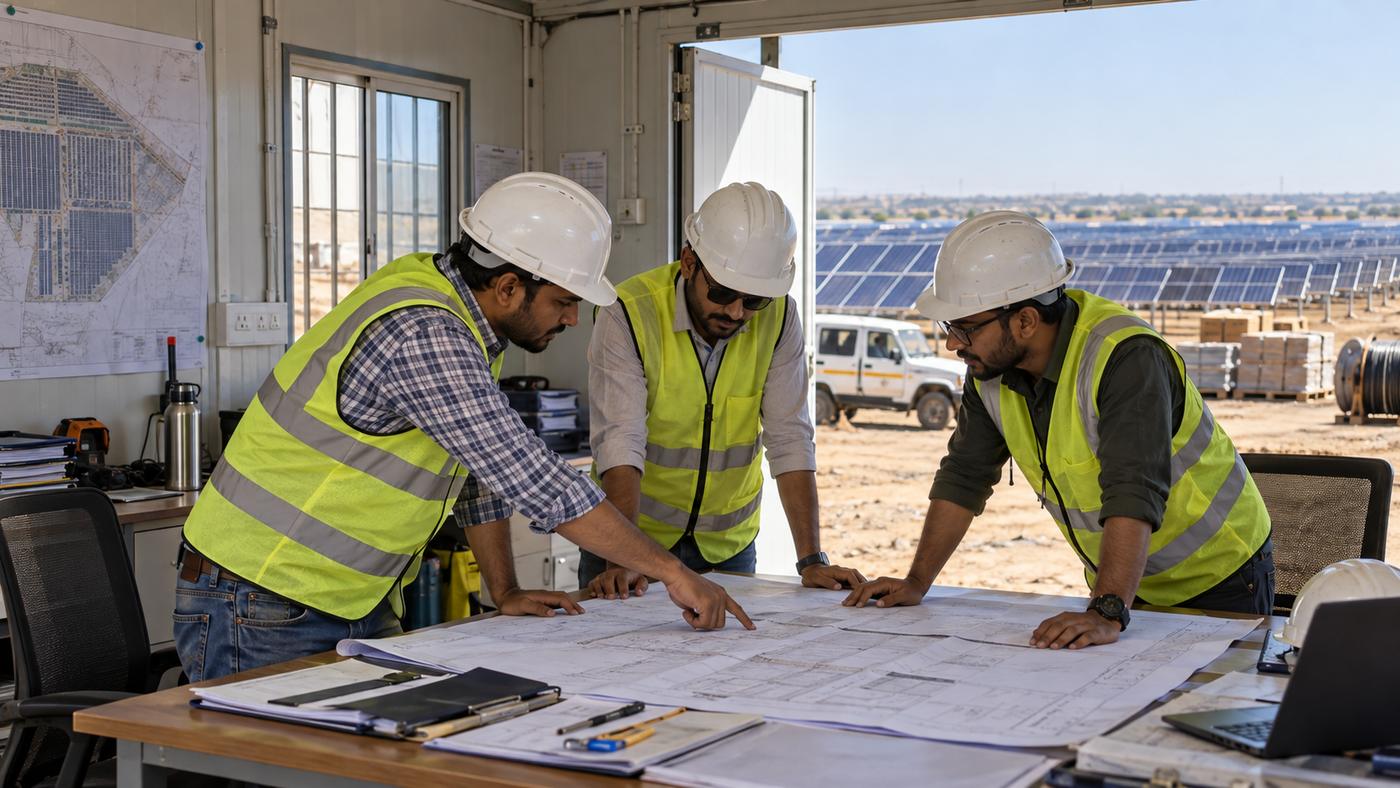
The full form of EPC is Engineering, Procurement and Construction. A solar EPC company takes responsibility for the whole plant:
- Engineering: plant design, layouts, drawings and approvals
- Procurement: buying modules, inverters, structures, cables and other equipment
- Construction: building the plant on site and commissioning it
What an I&C contractor does
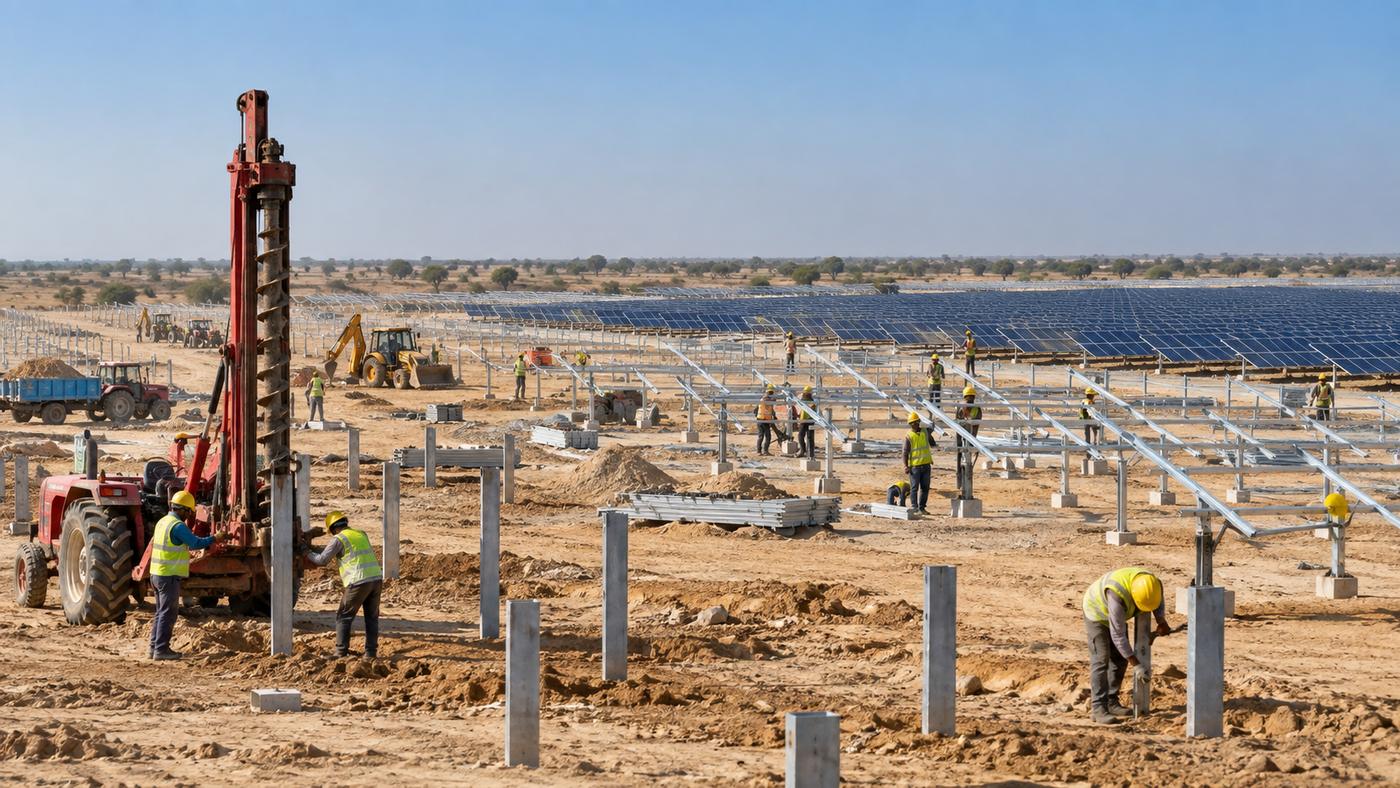
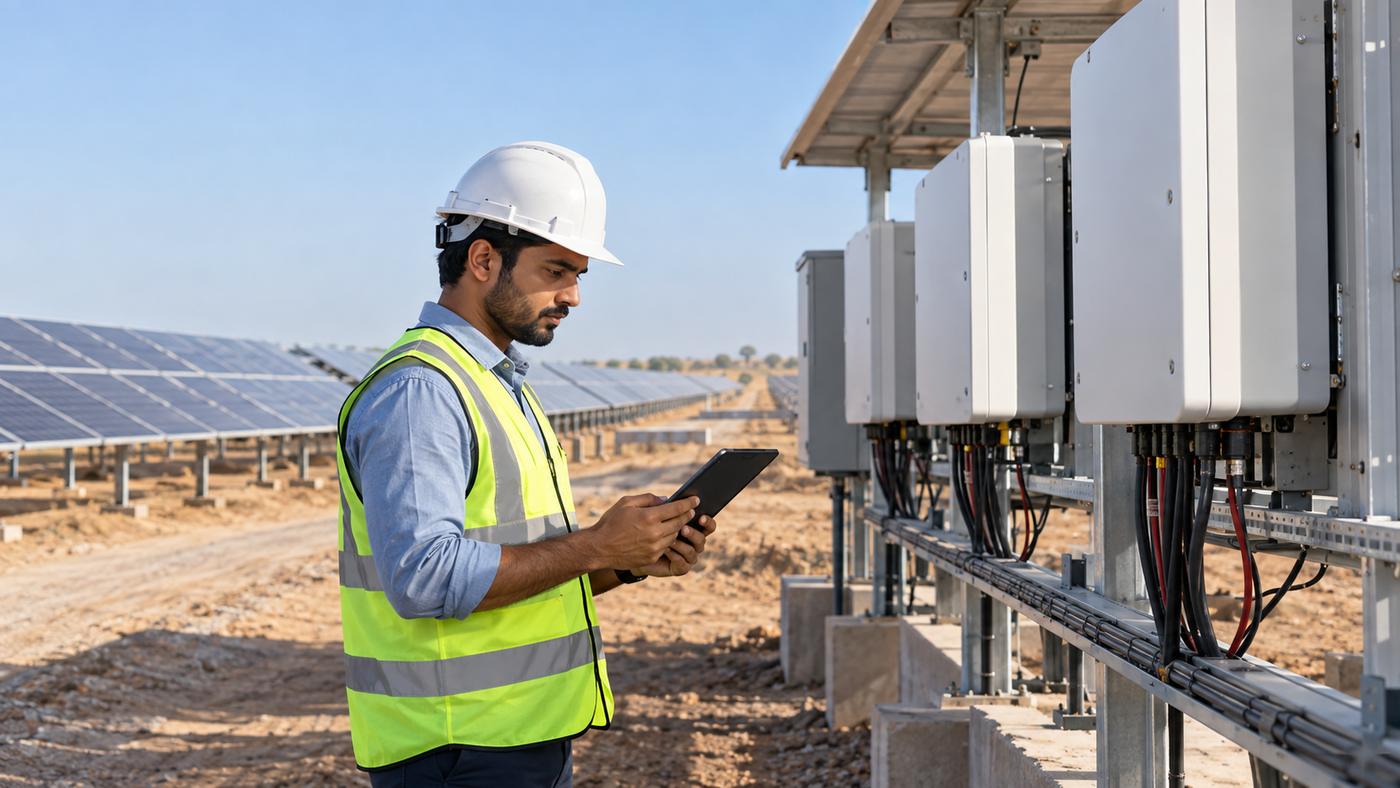
An I&C (installation and commissioning) contractor focuses on the construction and commissioning part of the project. It brings the site team, machines and execution know-how: survey, piling, structure erection, module installation, cabling, testing and handover. Read more in What is solar installation and commissioning.
EPC vs I&C at a glance
| Solar EPC company | I&C contractor | |
|---|---|---|
| Main role | Delivers the complete plant | Builds and commissions the plant on site |
| Design | Yes | Works to the approved design |
| Buying equipment | Yes | Usually no; installs supplied equipment |
| Site team and machines | Own or subcontracted | Core strength |
| Typical client | Developer or plant owner | EPC company or developer |
When do developers and EPCs hire a specialist I&C contractor?
- Large portfolios: an EPC company running several projects at once splits the site work across trusted I&C partners.
- Tight schedules: a contractor with its own team and equipment can mobilise quickly and add shifts when needed.
- Developer-led projects: a developer that designs and buys equipment itself needs an I&C partner to build the plant.
- Single packages: only piling and civil works, or only electrical work, for example.
What to check before hiring an I&C contractor
- Is the site team on the contractor's own payroll?
- Does it own the key equipment, such as augers, tractors and excavators?
- Does it test and record every stage, with standards and acceptance values?
- Is safety supervised daily, with induction, PPE and toolbox talks?
- How quickly can it mobilise, and has it worked on utility-scale solar projects?
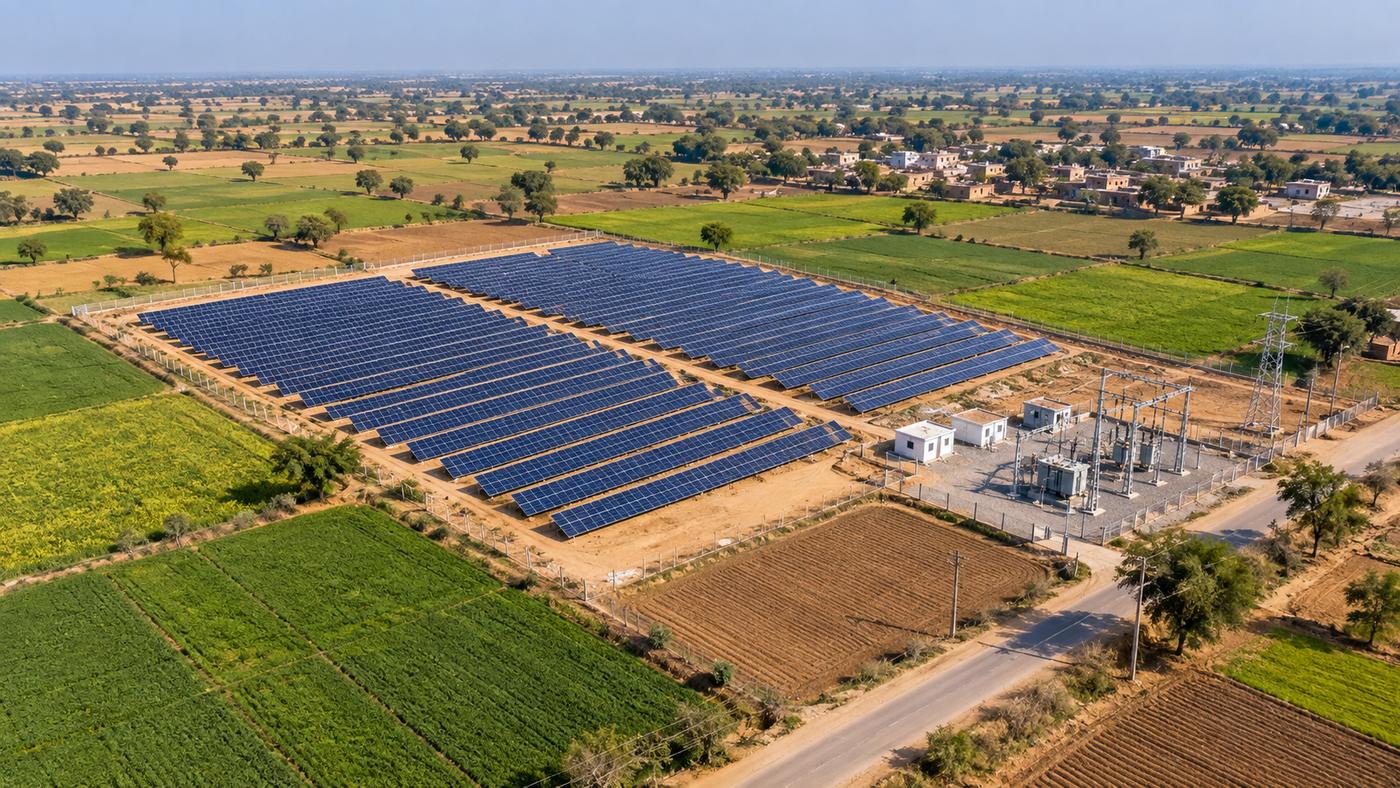
For smaller plants of 1 MW to 5 MW on private land, landowners usually need a complete EPC partner instead. See solar plant on agricultural land.
Frequently asked questions
What is the full form of EPC in solar?
EPC stands for Engineering, Procurement and Construction. A solar EPC company designs the plant, buys the equipment and builds it.
What is the difference between a solar EPC and an installer?
A solar EPC company delivers the complete plant, including design and equipment. An installer or I&C contractor builds and commissions the plant on site to the approved design.
Why do EPC companies hire I&C contractors?
To add site capacity, meet tight schedules, and bring specialist teams and equipment for piling, structures, modules, cabling and commissioning.
Can one company do both EPC and I&C?
Yes. Some companies offer complete EPC for smaller plants and I&C packages for utility-scale projects run by other EPC companies.